
Most people have experienced emotions physically before they ever understood them mentally.
Stress can feel like tightness in the chest. Anxiety may appear as a knot in the stomach. Fear can create heaviness in the legs, while unspoken emotions often seem to get “stuck” in the throat.
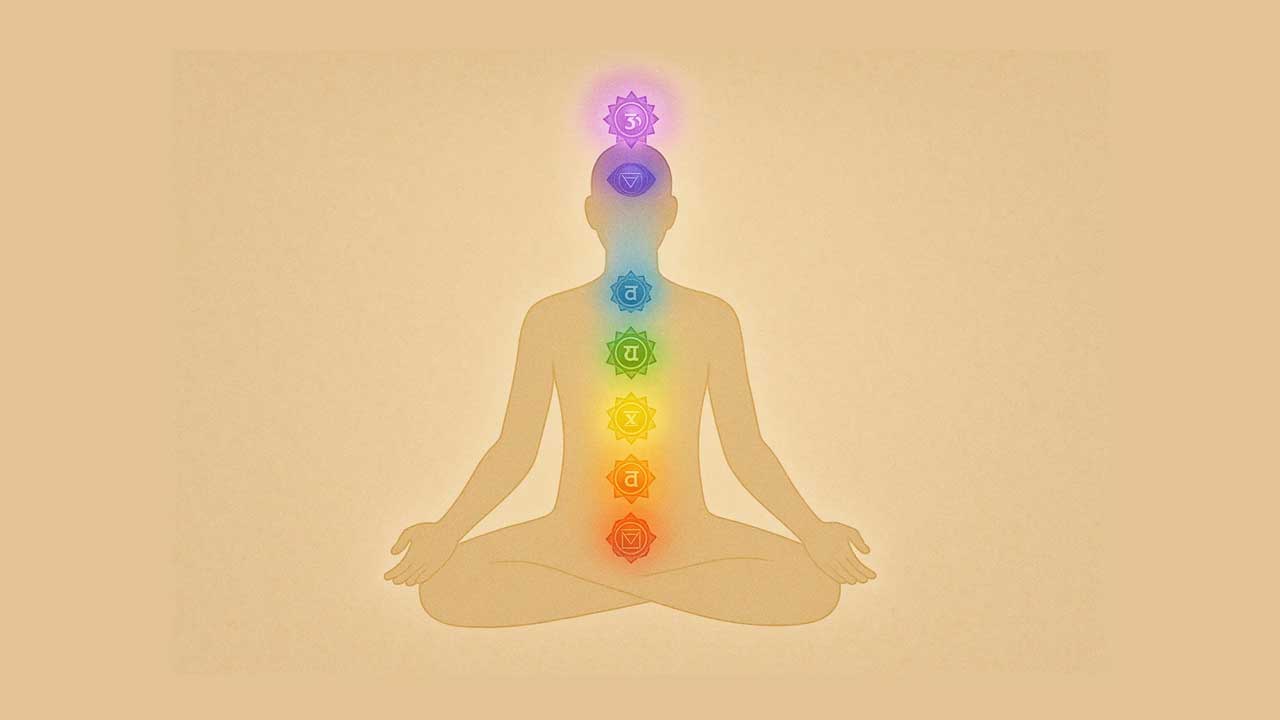
Ancient yogic traditions explored these inner experiences through the chakra system, a framework of seven energy centers connected to different aspects of the body, mind, and emotions.
For some people, chakras are understood spiritually. Others see them as symbolic maps for self-awareness and emotional balance. Either way, the chakra system can become a practical tool for understanding yourself more deeply through breath, movement, meditation, and conscious living.
If you’re new to chakras, this guide will help you understand the basics in a grounded and approachable way.
What Are Chakras?
The word chakra comes from Sanskrit and translates to “wheel” or “disk.” In traditional yogic philosophy, chakras are described as spinning centres of energy within the body.
There are many chakras mentioned in ancient texts, but the seven-chakra system is the most widely known today. Each chakra is associated with different emotional themes, physical areas of the body, and aspects of consciousness.
The goal of chakra work is not perfection or becoming “highly spiritual.” Instead, it’s about awareness, noticing where you feel balanced, disconnected, emotionally blocked, or energetically drained.
Practices like yoga, meditation, and breathwork are often used to help create greater balance and flow throughout the system.
The 7 Chakras Explained
1. Root Chakra (Muladhara)
Location:
Base of the spine
Associated With:
Safety, grounding, stability, survival
The root chakra is connected to your basic sense of security, physically, emotionally, and financially. When balanced, it can create feelings of stability and presence. When out of balance, people may feel anxious, disconnected, restless, or constantly overwhelmed.
Many modern lifestyles keep people mentally overstimulated and disconnected from the body, which is why grounding practices are so important.
Helpful Practices:
- Grounding yoga poses
- Walking in nature
- Slow, deep breathing
- Consistent sleep and routines
- Body awareness meditation
2. Sacral Chakra (Svadhisthana)
Location:
Lower abdomen
Associated With:
Creativity, emotions, pleasure, relationships
The sacral chakra relates to emotional flow and the ability to experience pleasure, creativity, and connection. When balanced, it supports emotional openness and healthy expression. When blocked, people may feel emotionally numb, disconnected, guilty, or creatively stuck.
This center is also closely linked to movement and fluidity in both body and mind.
Helpful Practices:
- Hip-opening yoga
- Dance or free movement
- Breathwork focused on emotional release
- Creative activities
- Journaling emotions honestly
3. Solar Plexus Chakra (Manipura)
Location:
Upper abdomen
Associated With:
Confidence, personal power, motivation
The solar plexus chakra is often connected to self-esteem, discipline, and inner strength. When balanced, people tend to feel motivated, clear, and confident in their decisions. Imbalances may show up as insecurity, anger, control issues, or lack of direction.
Many people feel stress strongly in the stomach area, which is why this center is often associated with emotional processing and personal identity.
Helpful Practices:
- Core-strengthening yoga
- Energizing breathwork
- Sunlight and physical movement
- Setting healthy boundaries
- Practices that build self-trust
4. Heart Chakra (Anahata)
Location:
Center of the chest
Associated With:
Love, compassion, forgiveness, connection
The heart chakra bridges the lower physical chakras and the higher mental and spiritual chakras. It’s connected to love, not only for others, but also for yourself.
An open heart chakra is often associated with compassion, empathy, gratitude, and emotional balance. When blocked, people may experience emotional isolation, resentment, grief, or difficulty trusting others.
In breathwork and meditation practices, many people report strong sensations in the chest area as emotions begin to surface and release.
Helpful Practices:
- Heart-opening yoga postures
- Loving-kindness meditation
- Conscious breathing
- Gratitude practices
- Spending time in meaningful connection
5. Throat Chakra (Vishuddha)
Location:
Throat
Associated With:
Communication, truth, self-expression
The throat chakra relates to authentic communication and speaking honestly. It’s not only about talking, it’s also about listening and expressing yourself clearly.
When balanced, people often feel able to communicate openly and confidently. Imbalances may show up as fear of speaking, difficulty expressing emotions, or constantly suppressing thoughts and feelings.
Many people physically tighten the jaw, neck, or throat when holding back emotions or avoiding difficult conversations.
Helpful Practices:
- Chanting or humming
- Breath awareness
- Journaling thoughts honestly
- Mindful communication
- Neck and shoulder release exercises
6. Third Eye Chakra (Ajna)
Location:
Between the eyebrows
Associated With:
Intuition, awareness, insight
The third eye chakra is connected to perception, intuition, and inner clarity. It’s associated with the ability to observe thoughts clearly and develop deeper self-awareness.
Balanced energy here may feel like mental clarity and strong intuition. Imbalances may appear as confusion, overthinking, mental fog, or disconnection from inner guidance.
In modern life, constant stimulation and distraction can make it difficult to slow down enough to hear your own intuition clearly.
Helpful Practices:
- Meditation
- Mindfulness practices
- Reducing screen overstimulation
- Silent reflection
- Breath-focused awareness
7. Crown Chakra (Sahasrara)
Location:
Top of the head
Associated With:
Consciousness, spiritual connection, presence
The crown chakra represents connection to something greater than the individual self. Depending on personal beliefs, this may be experienced as spirituality, deep presence, inner peace, or connection to life itself.
Rather than escaping reality, a balanced crown chakra is often described as feeling deeply connected to the present moment.
Helpful Practices:
- Silent meditation
- Breath awareness
- Mindfulness
- Spending time in stillness
- Spiritual reflection or prayer
How Yoga, Meditation, and Breathwork Support Chakra Balance
Yoga
Yoga helps bring awareness back into the body. Different postures can influence areas connected to specific chakras, while movement itself supports emotional and energetic flow.
More importantly, yoga teaches presence, the ability to notice sensations, emotions, and tension without immediately reacting to them.
Meditation
Meditation creates space to observe thoughts and emotions more clearly. Over time, it can help reduce mental noise and strengthen awareness of inner patterns.
Many chakra-based meditations focus on breathing, visualization, or attention directed toward specific areas of the body.
Breathwork
Breathwork is one of the most powerful tools for shifting emotional and physical states.
The breath directly influences the nervous system, emotional regulation, and body awareness. During deep breathing practices, people often become more aware of tension patterns, suppressed emotions, or sensations connected to different energy centers.
For many practitioners, breathwork becomes a bridge between the physical body and emotional awareness.
A Grounded Perspective on Chakras
It’s important to approach chakra work with balance and realism.
Chakras are not magic buttons that instantly solve every problem. They are better understood as tools for awareness and self-reflection.
Real growth usually involves:
- emotional honesty
- nervous system regulation
- self-awareness
- healthy lifestyle habits
- consistent practice
Sometimes “healing” looks less like becoming spiritually perfect and more like learning how to stay present with yourself more honestly.
Final Thoughts
The chakra system offers a way to explore the connection between body, mind, emotions, and awareness. Whether you approach it spiritually, psychologically, or symbolically, it can become a helpful framework for personal growth and self-understanding.
For beginners, the most important thing is not memorising every chakra perfectly. It’s learning to listen more carefully to your own experience.
Through yoga, meditation, and breathwork, you begin to notice that the body often carries emotions, stress, and patterns long before the mind fully understands them.
And sometimes, healing starts simply by paying attention.


